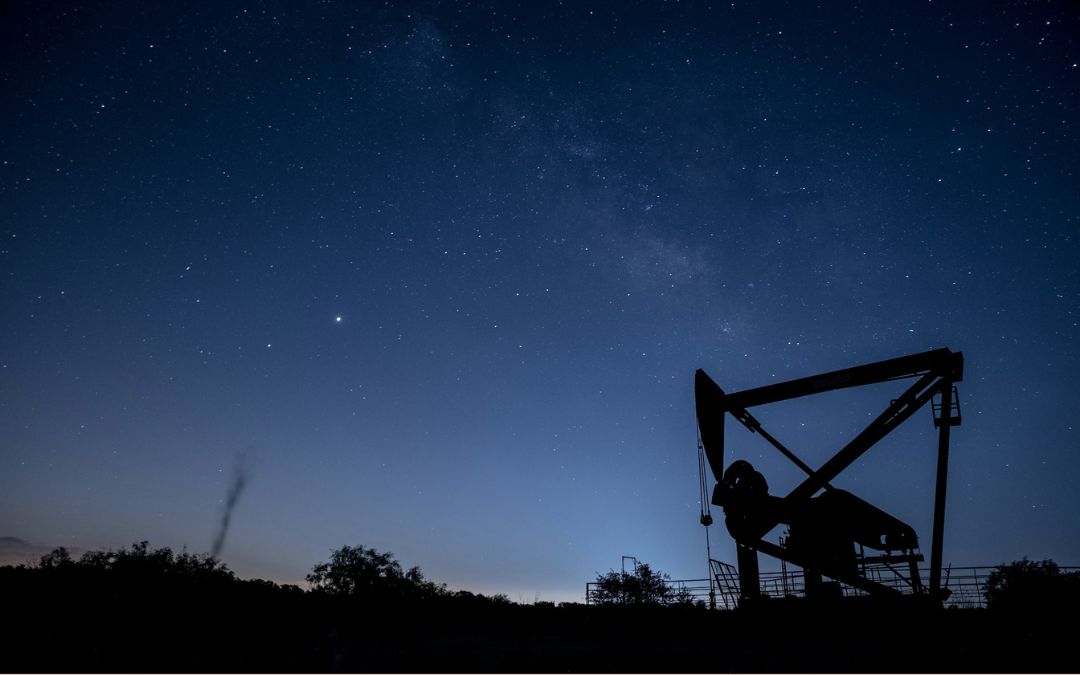
Conservatives for Responsible Stewardship is featured in a Kiowa County Press report examining concerns over a proposed rollback of federal oil and gas bonding rules managed by the Bureau of Land Management. The article explains that current bonding requirements are meant to ensure energy companies set aside enough money to properly plug wells and restore drilling sites once production ends. Without strong bonding rules, cleanup costs from abandoned or “orphaned” wells can fall to taxpayers instead of industry. CRS raises concerns that weakening these requirements could significantly increase public liability for cleanup, with estimates in the report suggesting potential taxpayer exposure in the hundreds of billions over time. The coverage highlights ongoing debate over how to balance energy development on public lands with long-term environmental and financial responsibility. Read the full article here:...
If you live in a rural or Western state, this issue probably feels personal. Vehicle encounters with deer, elk, or other wildlife on the road aren’t rare and when they happen, the consequences can be serious or even deadly for drivers and passengers, not to mention the animals themselves. Every year, wildlife-vehicle collisions injure thousands of Americans and kill millions of animals. The costs of these crashes don't stop there; car repairs are expensive, insurance premiums rise, and emergency responses are costing taxpayers millions. The good news is that many of these accidents are preventable. A Solution That Works Wildlife crossings, overpasses, underpasses, and strategic fencing aren’t experimental ideas. They’re proven infrastructure solutions already saving lives across the country. When placed correctly, wildlife crossings can reduce collisions by up to 97 percent. That means safer roads for families, fewer emergency calls in rural areas, less vehicle damage, and healthier wildlife populations that can move safely across the landscape. It’s a practical approach that protects people and respects the land without new mandates or unnecessary red tape. Why Action Is Needed Now The federal Wildlife Road Crossings Program is set to expire this year. If Congress doesn’t act, ongoing and planned projects in Montana, the Greater Yellowstone Ecosystem, and communities across the country could be delayed or abandoned. States, Tribes, and local governments need certainty in order to plan and complete these multi-year safety projects. Permanently authorizing this program would provide that stability, ensuring communities can follow through on solutions that are already working. Bipartisan Leadership, Commonsense Results H.R. 6078 is led by U.S. Representative Ryan Zinke (R–MT) and U.S. Representative Don...
Conservatives for Responsible Stewardship is featured in a report from Aspen Public Radio covering concerns about a proposed federal policy change involving oil and gas development on public lands. The piece focuses on a proposed rollback of a Bureau of Land Management rule that requires energy companies to set aside funds to properly clean up wells and restore drilling sites after production ends. CRS warns that weakening those requirements could shift significant cleanup costs onto taxpayers, with potential liabilities reaching into the billions. The discussion highlights a broader issue in public lands management: ensuring companies, rather than taxpayers, are responsible for plugging abandoned wells and restoring impacted land. Read the full article here:...
CRS Releases New Report Exposing the Massive Taxpayer Risks of Bonding Rollbacks Conservatives for Responsible Stewardship has released a new in-depth report, Unplugged: The High Cost of Bonding Reform Rollbacks, revealing how the Trump administration’s plan to weaken federal oil and gas bonding requirements could leave American taxpayers responsible for up to $753.5 billion in cleanup costs on public lands. This new analysis comes at a critical moment. Recent federal actions, especially provisions in the One Big Beautiful Bill Act, have opened more than 200 million acres of public lands to oil and gas development. Under these new policies, companies could potentially drill as many as 3.8 million new wells across the West. Yet the administration is also preparing to roll back the 2024 bonding reforms that were designed to ensure companies, not taxpayers, pay to plug and reclaim those wells. A Return to an Unfair, Outdated System For decades, inadequate bonding allowed irresponsible operators to walk away from their cleanup obligations, often by filing strategic bankruptcies or shifting ownership to shell companies. The Bureau of Land Management stepped in last year with long-overdue reforms, raising minimum bond amounts for the first time in more than sixty years, to protect taxpayers from exactly this kind of abuse. Rolling back those reforms now would return us to a system that has already failed taxpayers for generations. With bonds averaging just $1,707 per well, there is no realistic mechanism to cover the actual $35,000–$200,000 cost of plugging a modern well. The financial gap gets passed directly to communities and taxpayers. CRS President David Jenkins put it plainly: weakening bonding requirements “enables...