
Let’s start with something simple. If the federal government can’t afford to maintain what it already has, why would we take on more?
Right now, the U.S. Forest Service is responsible for more than 368,000 miles of roads across our national forests, and it’s already falling behind. There’s a $10.8 billion maintenance backlog, and that number keeps growing.
It doesn’t make much sense to start building new roads deep into remote, undeveloped forests. But that’s exactly what could happen if the Roadless Rule is rolled back.
And here’s the part people don’t always realize. These projects often don’t even pay for themselves.
In many cases, taxpayers are footing the bill for roads and logging operations that wouldn’t be profitable otherwise. The federal government frequently spends more preparing timber sales and building logging roads than it brings in from selling the timber. Altogether, logging on national forest lands is subsidized by taxpayers to the tune of roughly $2 billion every year.
That’s not a free market, it’s a taxpayer funded free ride.
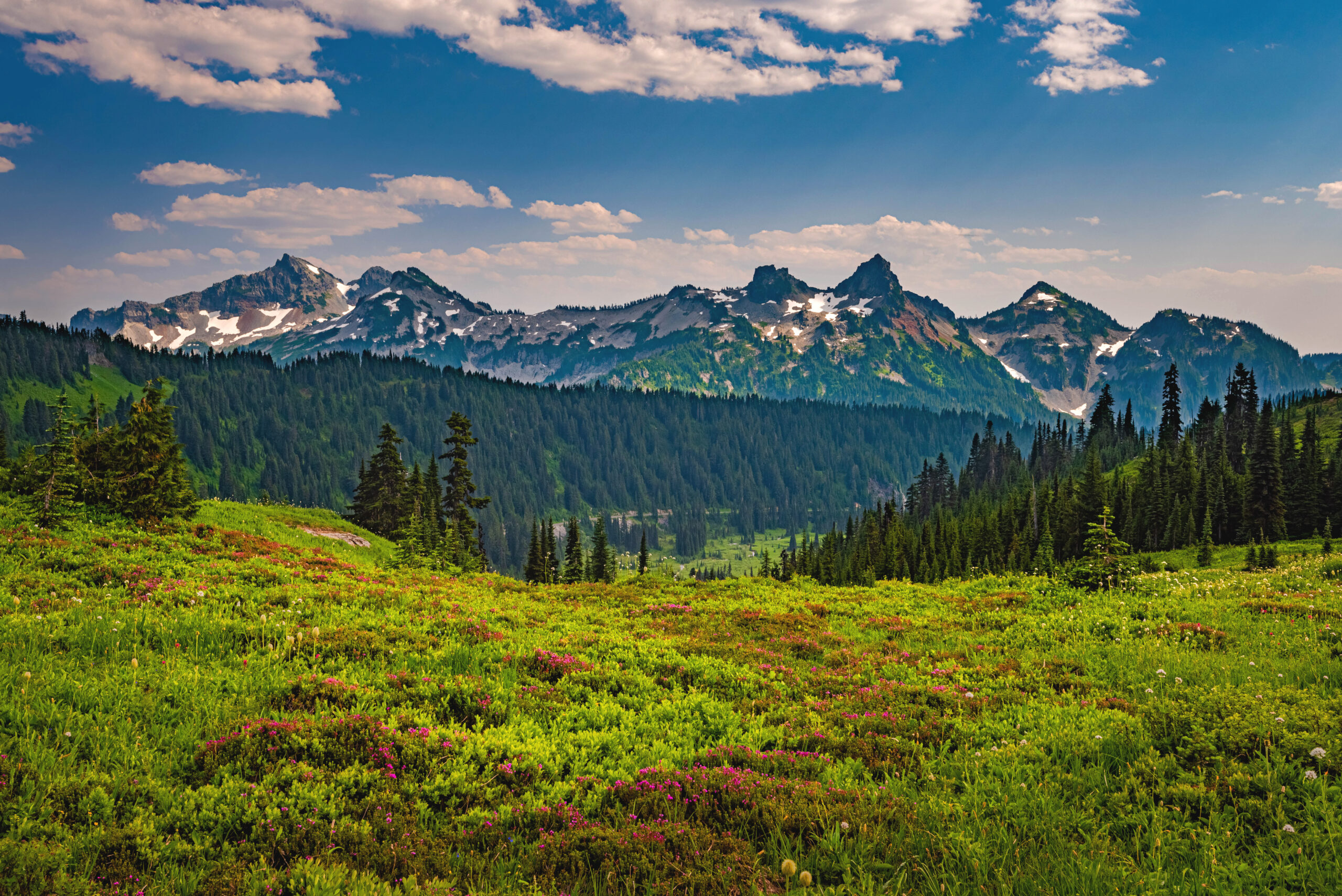
The Roadless Rule, put in place in 2001 after extensive public input, helps prevent that kind of unnecessary spending. It protects nearly 58 million acres of national forest land by limiting new road construction and large-scale commercial logging in undeveloped areas.
But it’s not as restrictive as some make it sound.
The rule still allows for wildfire response, fuel reduction, and targeted restoration work. In other words, we can still actively manage forests where it makes sense without opening the door to costly, large-scale development in remote areas.
The Secretary of Agriculture, Brooke Rollins, has been peddling the notion that this proposed Roadless Rule rollback will help reduce wildfire risk. Actually, the opposite is true.
Most wildfires, about 90 percent, start within a half mile of a road, and the vast majority (88%) are caused by people. So, expanding road access into previously untouched areas can increase the risk of fire, not reduce it.
Also, older, intact forests tend to hold more moisture and are more naturally resistant to wildfire than road riddled and logged areas.
At a time when wildfire suppression is already costing taxpayers billions every year, and our country is already $40 trillion in debt, adding more costly roads and introducing greater wildfire risk is fiscal insanity.
And beyond the dollars and cents, roadless areas provide real, intrinsic value that improves our quality of life.
They protect the headwaters of rivers and streams that millions of Americans rely on for clean drinking water. They provide habitat for wildlife. And they support outdoor traditions like hunting, fishing, and hiking, activities that drive local economies across the country.
The best part. They do all of this without requiring more taxpayer spending.
For more than 20 years, the Roadless Rule has struck a practical balance. It allows for responsible forest management while preventing unnecessary expansion into some of the most remote and valuable landscapes we have.
Rolling it back wouldn’t just put those places at risk. It would also mean more government spending, more inefficiency, and more burden on taxpayers.
Conservatism has always been about stewardship. Taking care of what we have and being responsible with how we spend.
The Roadless Rule does both.
Weakening it doesn’t.
Help protect roadless forests and taxpayer dollars. Tell the U.S. Forest Service to maintain the Roadless Rule and keep unnecessary roads and costly development out of our most remote national forests.
https://www.votervoice.net/CFRS/campaigns/137974/respond

0 Comments