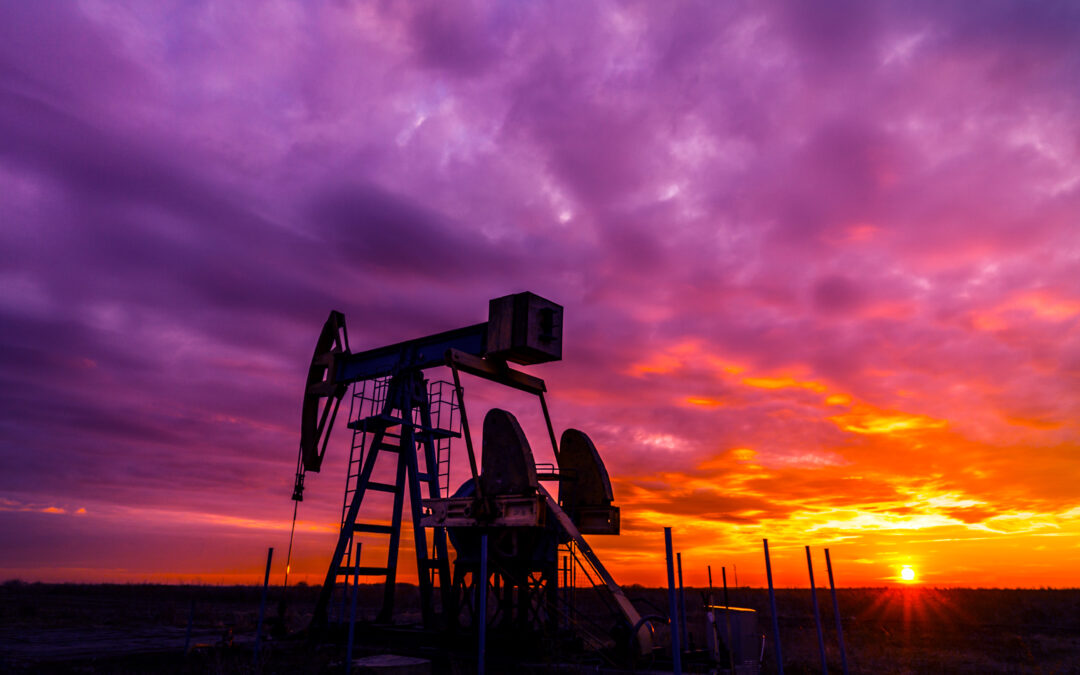
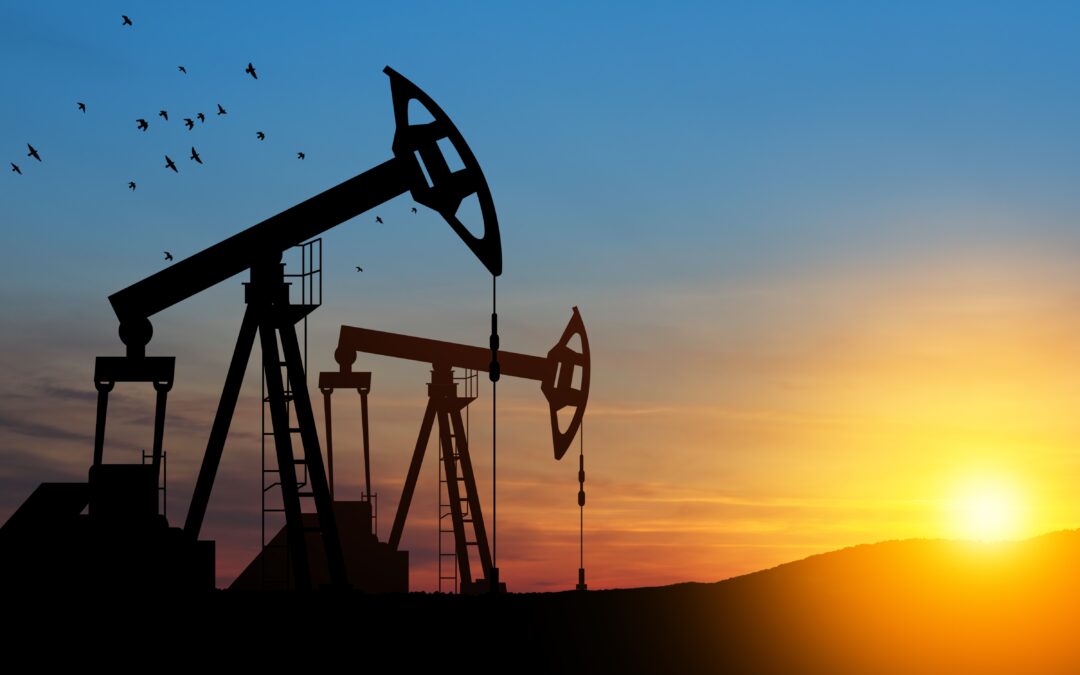
How Reducing Methane Emissions is Fueling Jobs and Innovation At Conservatives for Responsible Stewardship (CRS), we are firm believers in the old adage: waste not, want not. To that end, we have been advocating for standards that reduce the amount of natural gas (methane) we lose through leaks, shoddy maintenance, unnecessary flaring, etc. And as we work to reduce methane waste and pollution, we are witnessing just how conservation and economic prosperity go hand in hand. Not only does this work conserve a valuable energy resource, but it is spurring job growth and economic opportunity. A new analysis by Datu Research shows just how a costly waste problem has spawned a growing industry that is creating jobs, strengthening local economies, and reducing natural gas waste. This ensures that our energy production is cleaner and more efficient. A Booming Industry The methane mitigation industry is rapidly expanding, creating high-quality jobs and driving innovation in emissions-reducing technology. This growth isn’t accidental—it’s fueled by smart policies that provide regulatory certainty, allowing businesses to develop cost-effective solutions. States like Texas, California, and Colorado are leading the way, demonstrating that environmental responsibility and economic opportunity go hand in hand. Datu Research’s latest findings highlight the rapid expansion of methane mitigation: • The number of methane mitigation firms has jumped 23.7% since 2021, reaching 268 companies. • Employee locations have grown by 39%, totaling 1,040 nationwide. • Texas is the industry’s epicenter, home to 291 company locations—28% of the national total. • California and Colorado remain at the forefront of innovation, with 87 and 74 locations, respectively. • Leak detection and measurement technology leads the...
Have you ever stopped to think about how much we owe to the tiny creatures flying around our gardens? Bees, butterflies, bats and birds are unsung heroes of our ecosystems, playing a vital role in pollination. This process is essential for producing the fruits, vegetables, and nuts we love. Understanding why pollinators are essential and discovering ways to protect them can help us do our part to ensure a healthier planet. Why Pollinators Matter Pollinators are like nature's matchmakers, helping plants reproduce by transferring pollen from one flower to another. This might sound simple, but it's a big deal! Over 75% of the world's flowering plants and about one-third of our food supply depend on pollinators. Imagine a world without apples, almonds, blueberries, or cucumbers—that's what we're facing if we don't protect these little helpers. And the damage to our agriculture industry and our economy as a whole would be enormous. Why Pollinators are in Trouble Sadly, our pollinator populations are declining at a rapid rate. The American Bumblebee, for example, has vanished from eight states and is in serious decline elsewhere. The Monarch Butterfly population has declined almost 60%, and the list goes on. The threats facing pollinators include: Habitat Loss: Urban sprawl, agriculture, and deforestation are shrinking the natural homes of pollinators. Pesticides: These chemicals, which are used widely in agriculture, by pest control companies, and by homeowners, are deadly to pollinators—especially if applied around flowering plants—either killing them outright or harming their ability to forage and reproduce. Climate Change: Shifting temperatures and weather patterns disrupt the delicate balance of pollinators' life cycles and the plants they...
EPA’s methane rule targeting waste is conservative – good for business and our futures: David Jenkins In a guest column today, David Jenkins of Conservatives for Responsible Stewardship praises the U.S. Environmental Protection Agency's new methane waste rule as a blow for conservatism in energy policy, preventing pollution and needless waste at the pump while improving output.Chris Morris, Advance Local CINCINNATI -- Remember the wise old saying, “Waste not, want not”? This simple truism reflects the conservative ethic of conservation. From Sunday school to the kitchen table, we have all been taught not to waste. Waste is not only wrong, it’s costly. And this is particularly true when it comes to energy. We know putting insulation in our attics and turning lights off reduces energy waste and saves us money.Just as wasting energy at home increases our energy bills, the same thing happens when oil and gas companies waste energy on a much larger scale. This is a problem here in Ohio. Some oil and gas companies — usually those driven more by short-term profit than long-term investment — are wasting huge amounts of natural gas (methane) due to shoddy maintenance and leaks. In 2019 alone, Ohio companies wasted $93 million of gas — enough to meet the annual supply needs of 11% of the state’s residential gas customers, according to a Synapse Energy Economics Inc. study. And this is a nationwide problem. A recent Stanford study of oil and gas operations in the gas rich Permian Basin estimated that more than 9% of the natural gas produced in that area is being wasted. Cutting those corners might save...
For the first time in over 60 years, the Bureau of Land Management (BLM) – the federal agency that oversees oil and gas activity on federal lands – has increased its bond minimums. Bonds are an insurance policy for American taxpayers – the true owners of federal lands – and are supposed to ensure that companies who drill on federal lands have set aside enough funds to cover plugging and clean-up costs once production is finished. But for decades BLM’s oil and gas bond minimums were never increased, not even to account for inflation and even as companies drilled tens of thousands of wells on federal land across the country. Companies could provide as little as $10,000 in bond coverage per lease no matter how many wells they drilled. This flawed-system led to a $13.7 billion deficit between the estimated reclamation costs for the 90,000+ wells on federal lands and the total amount of bonds held by BLM. Slowly but surely, BLM’s new bond minimums will bring that deficit down. Companies now have three years – a very generous timeframe, mind you – to increase their lease bonds to the new minimum of $150,000. This level accounts for inflation, as well as reclamation costs for a typical lease on public lands. And it builds on bonding reform at the state-level, as many states, including Wyoming, recently strengthened their bonding requirements in response to what some have described as an orphaned well “crisis.” Not surprisingly, the oil and gas industry would much prefer that you – the American taxpayer – continue to foot the bill for its clean-up costs. The...
The sweltering Summer of 2023 has come to a close. According to NASA and the World Meteorological Organization, it was Earth’s hottest summer on record, with July and August being the two hottest months ever recorded. Our warming climate has moved well beyond the era of minor temperature fluctuations and scientific modeling, it is slapping us in the face by smashing records and adversely affecting people’s lives. Here in the U.S., more than a dozen cities experienced their hottest summer ever. These include Pensacola, Sarasota and Key West, Florida; Mobile, Alabama; Brownsville, Corpus Christi, Del Rio, El Paso, San Antonio and Victoria, Texas; and Roswell, New Mexico. We are seeing real impacts on our health, on our economy and cost of living, and on our water and food supplies. The impacts of climate change are impossible to ignore, and its time for conservatives to get more engaged in crafting real solutions. Climate change is driven by the accumulation of greenhouse gases (GHG) in the Earth's atmosphere, gases that act like a blanket to trap more the sun’s heat rather than allowing it to escape back into space. That extra heat not only results in sweltering heatwaves, it affects weather patterns, intensifies storms, expands the range of destructive or dangerous pests, and fuels wildfires. Florida, Arizona, California We have witnessed some record-breaking heat that put all previous summers to shame. NASA's temperature data show that this summer’s record heat was not just a small blip on the radar. Average temperatures across the country during these months reached levels we've never seen before, bringing with them a multitude of challenges for...
The Endangered Species Act (ESA) turns 50 years old this year. The law, which was passed in 1973 by overwhelming bipartisan majorities in Congress (unanimous in the Senate) and signed into law by President Nixon, stands as an enduring testament that we can rise above our lesser instincts and be good stewards of what President Reagan referred to as “this magical planet that God gave us.” From the deliberate and cruel efforts to eradicate wolves and grizzly bears from the Lower 48, to the carelessness that drove the bald eagle, our national symbol, to the brink of extinction, history is full of examples where mankind has been intolerant of wildlife and/or ignorant of its needs. Thanks to the ESA, bald eagle numbers have recovered across the Lower 48, going from a low of 1,000 or less in the 1950s to more than 300,000 today. Wolves and grizzly bears have also rebounded significantly, with healthy, sustainable populations in several states. Unfortunately, too many people fail to recognize the ESA as the conservative law it is. President Reagan once rhetorically asked, “What is a conservative after all, but one who conserves?” Conservative political theorist Russell Kirk went even further, writing in a Baltimore Sun op-ed, “nothing is more conservative than conservation.” Wildlife, from apex predators to the tiniest insects, play an essential role in keeping the earth’s life-sustaining ecology healthy. Bears and wolves, by preying primarily on weak and sick moose, deer, or elk, make the populations of those ungulates healthier. And pollinators, such as bees and butterflies, are essential to our food crops. From my personal experiences, I have come...