If you’ve noticed your utility bills skyrocketing, you’re not alone. Gas and electric bills across the state have been rising at an unprecedented rate over the past several years. And while some of this has been due to natural gas prices and hotter weather, most of it is because big monopoly utilities like NV Energy and Southwest Gas are being allowed to game the system. Here in Nevada, the Public Utility Commission is supposed to provide a check on utility rates, and to balance customer and utility interests. Instead, the PUC is letting these monopolies run wild with one record-breaking rate hike after another. In April, the PUC approved a record $59 million rate increase for Southwest Gas, which is $20 million higher than its previous record hike in 2020. This is despite Southwest Gas reporting a first-quarter net income ($98.5 million) that is more than double that of its first quarter in 2023 ($45.9 million), and a record 12-month operating margin of $1.3 billion. The hike also comes as SWG customers were already reeling from other recent SWG hikes. Even before this latest hike, customers reported their gas bills shooting up more than 300% in a single month. Utilities in Nevada are allowed to make rate adjustments every three months, and those are in addition to the hikes from general rate cases. While average Nevadans are getting hammered by higher and higher gas bills, Southwest Gas officers and shareholders — most of who reside outside of Nevada — are getting richer and richer. And it’s more than just Southwest Gas that keeps bellying up to the PUC...
David Jenkins, president of Conservatives for Responsible Stewardship, contributed a guest piece to Environment America titled Why environmentalism is conservative. The article explores how environmental protection connects to traditional conservative values like stewardship, responsibility, and preserving natural resources for future generations. It highlights the idea that caring for clean air, water, and public lands fits within a long-standing conservative ethic of passing something better on to those who come after us. It also points to examples from past conservative leadership in environmental policy to show that these principles have historically crossed party lines. Read the full piece:...
David Jenkins, president of Conservatives for Responsible Stewardship, is featured in a report from 12 News covering a recent decision by Arizona utility regulators to roll back the state’s renewable energy standards. The coverage explains that Arizona regulators voted to eliminate requirements that had guided how much electricity utilities must generate from renewable sources like wind and solar. Supporters of the change say it gives utilities more flexibility in how they meet energy demand, while critics warn it could slow the growth of clean energy and reduce long-term investment in renewables. The decision has sparked debate over how states should balance energy affordability, reliability, and the future of renewable development....
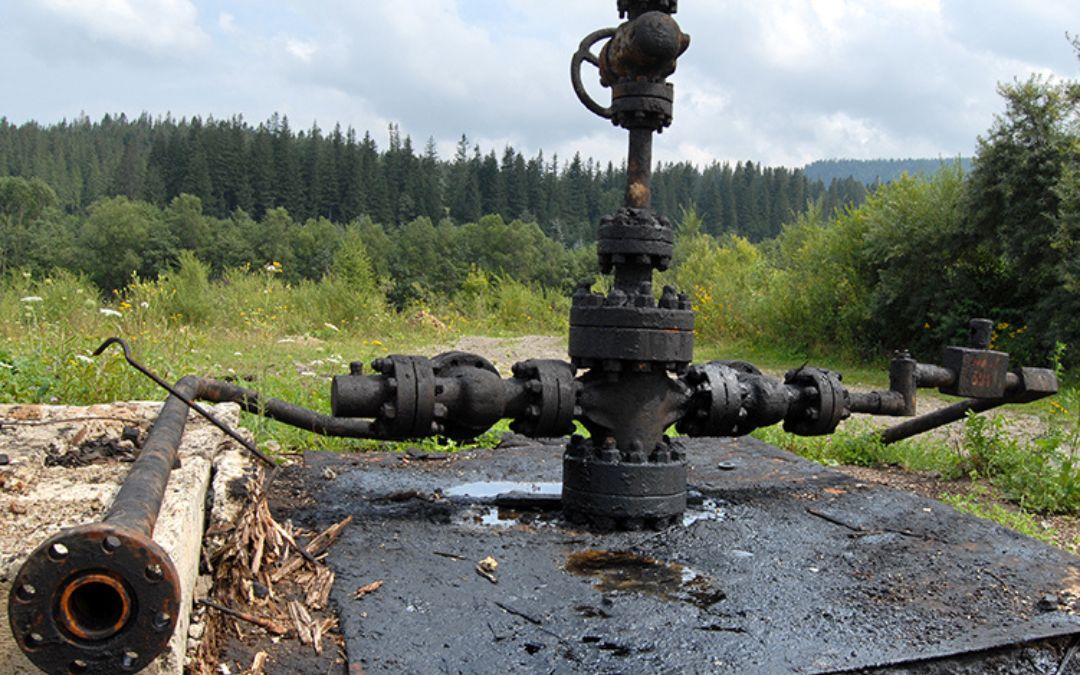
October 24, 2023 CRS Releases “Restoring Accountability” Follow-up Report on Taxpayer Exposure from Orphaned Oil and Gas Wells Conservatives for Responsible Stewardship (CRS), a national grassroots organization with more than 23,000 members, has produced a new report following up on its 2021 report Broken Promises, which detailed the staggering taxpayer exposure from orphaned and abandoned oil and gas wells. “Despite agreeing, as a condition of their drilling permit, to fully clean up and plug well sites once they are finished using them, oil and gas companies regularly skip out on that obligation, leaving us taxpayers on the hook for billions of dollars in clean-up costs,” explained CRS president David Jenkins. This new report, with updated data, underscores how this fiscal burden on taxpayers continues to grow and explains how long overdue new rules proposed by the Department of Interior (RIN 1004–AE80) to significantly increase its oil and gas program bonding requirements can help. In Broken Promises, we reported that at the end of FY2020, there were more than 96,000 “producible and service wells” on federal public lands, which could leave U.S. taxpayers on the hook for as much as $13.7 billion in future clean-up costs. Since then, BLM has approved more than 11,200 additional permits for oil and gas companies to drill new wells on federal public lands—wells that, without federal bonding reform in place, potentially exposing U.S. taxpayers to an additional $1.6 billion more in clean-up costs. Taxpayers could eventually have to pony up as much as $15 billion, and that does not account for any potential future wells from the 34,000 oil and gas leases on public...
David Jenkins, president of Conservatives for Responsible Stewardship, recently published an op-ed in the The Gainesville Sun taking a closer look at Florida’s energy policies and what they mean for the future of solar. In Florida lawmakers favor solar monopolies over free market, Jenkins walks through concerns that current and proposed policies may be tilting the playing field toward monopoly utilities rather than encouraging real competition. He touches on what that could mean for rooftop solar, consumer choice, and long-term energy costs—while raising broader questions about how much government should shape the market. Read the full op-ed:...
David Jenkins, president of Conservatives for Responsible Stewardship, recently published an op-ed in the Reno Gazette Journal titled More drilling in Nevada won’t lower prices, just make Big Oil richer. In the piece, Jenkins looks at a question a lot of people are asking right now: would drilling more oil in the U.S. actually bring gas prices down? He explains that oil prices are set globally, so even if more drilling happens here at home, it doesn’t automatically mean cheaper prices at the pump for drivers. The op-ed also notes that expanding drilling on public lands would largely benefit big oil companies, since they are the ones best positioned to increase production and capture those profits. Read the full op-ed:...