Every year, Earth Day puts a spotlight on the environment. There are a lot of conversations and a lot of messaging, but at its core, the idea is simple: We are responsible for what we have been given. At Conservatives for Responsible Stewardship (CRS), that belief drives everything we do. Stewardship is not a trend or a talking point. It is a responsibility that comes with using and benefiting from our natural resources. Ronald Reagan once described Earth as “this magical planet of ours.” That mindset matters. When you recognize the value of something, you are more likely to take care of it. Not out of obligation, but out of respect. The Risk of Short-Term Thinking History has made it clear that resources are not unlimited. Theodore Roosevelt warned, “We are prone to speak of the resources of this country as inexhaustible; this is not so.” That reminder still matters today. When decisions are made with only the short term in mind, the long-term consequences do not disappear. They grow. Stewardship Means Balance Taking care of the environment does not mean shutting down growth. It means being smart about how we grow. It means: • Using resources responsibly • Making sure impact and accountability go hand in hand • Protecting what cannot easily be replaced As Barry Goldwater said, “We must not allow our natural resources to be destroyed.” That is not a complicated idea. It is a practical one. What This Looks Like in Practice Stewardship shows up in real ways. It means making sure taxpayers are not left covering environmental costs they did not create. It means...
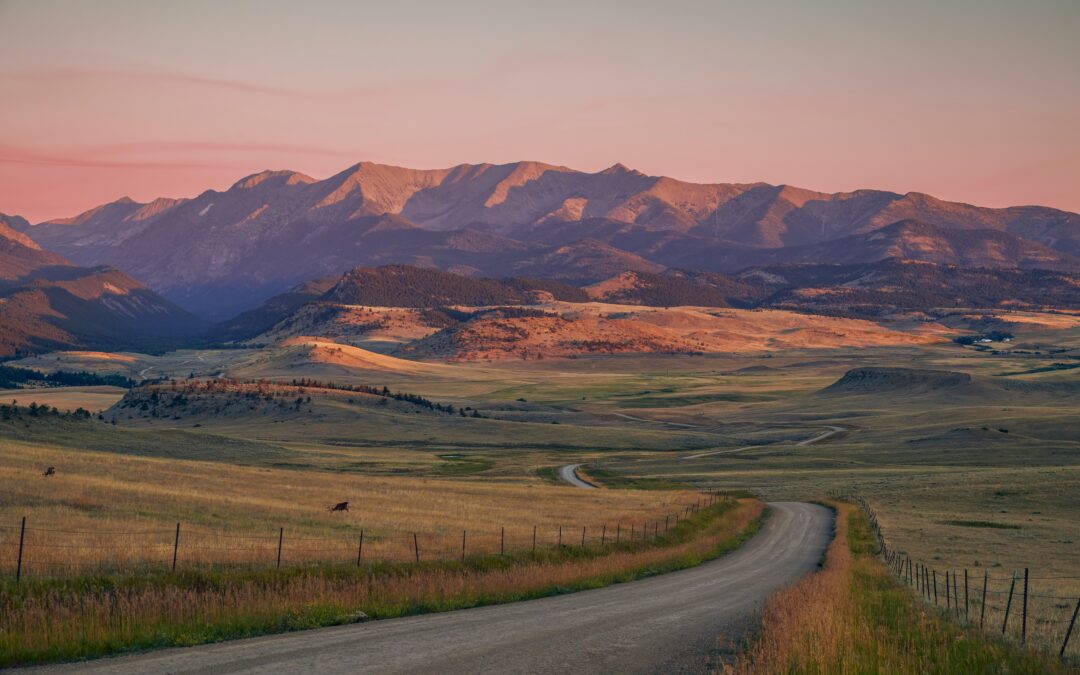
If you live in a rural or Western state, this issue probably feels personal. Vehicle encounters with deer, elk, or other wildlife on the road aren’t rare and when they happen, the consequences can be serious or even deadly for drivers and passengers, not to mention the animals themselves. Every year, wildlife-vehicle collisions injure thousands of Americans and kill millions of animals. The costs of these crashes don't stop there; car repairs are expensive, insurance premiums rise, and emergency responses are costing taxpayers millions. The good news is that many of these accidents are preventable. A Solution That Works Wildlife crossings, overpasses, underpasses, and strategic fencing aren’t experimental ideas. They’re proven infrastructure solutions already saving lives across the country. When placed correctly, wildlife crossings can reduce collisions by up to 97 percent. That means safer roads for families, fewer emergency calls in rural areas, less vehicle damage, and healthier wildlife populations that can move safely across the landscape. It’s a practical approach that protects people and respects the land without new mandates or unnecessary red tape. Why Action Is Needed Now The federal Wildlife Road Crossings Program is set to expire this year. If Congress doesn’t act, ongoing and planned projects in Montana, the Greater Yellowstone Ecosystem, and communities across the country could be delayed or abandoned. States, Tribes, and local governments need certainty in order to plan and complete these multi-year safety projects. Permanently authorizing this program would provide that stability, ensuring communities can follow through on solutions that are already working. Bipartisan Leadership, Commonsense Results H.R. 6078 is led by U.S. Representative Ryan Zinke (R–MT) and U.S. Representative Don...
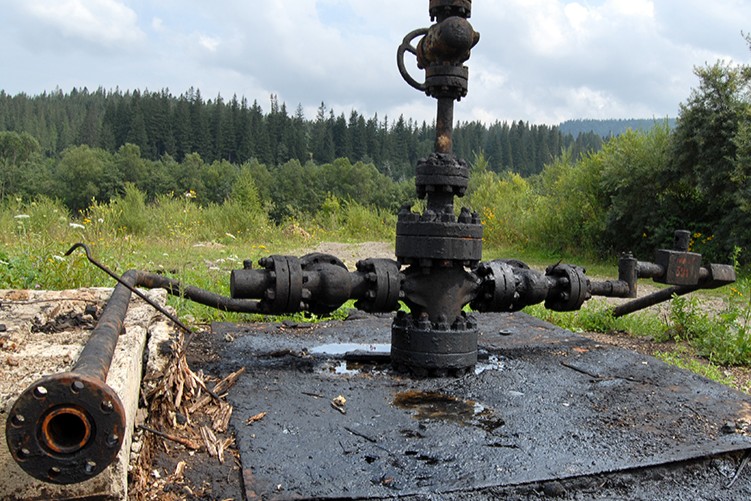
CRS Releases New Report Exposing the Massive Taxpayer Risks of Bonding Rollbacks Conservatives for Responsible Stewardship has released a new in-depth report, Unplugged: The High Cost of Bonding Reform Rollbacks, revealing how the Trump administration’s plan to weaken federal oil and gas bonding requirements could leave American taxpayers responsible for up to $753.5 billion in cleanup costs on public lands. This new analysis comes at a critical moment. Recent federal actions, especially provisions in the One Big Beautiful Bill Act, have opened more than 200 million acres of public lands to oil and gas development. Under these new policies, companies could potentially drill as many as 3.8 million new wells across the West. Yet the administration is also preparing to roll back the 2024 bonding reforms that were designed to ensure companies, not taxpayers, pay to plug and reclaim those wells. A Return to an Unfair, Outdated System For decades, inadequate bonding allowed irresponsible operators to walk away from their cleanup obligations, often by filing strategic bankruptcies or shifting ownership to shell companies. The Bureau of Land Management stepped in last year with long-overdue reforms, raising minimum bond amounts for the first time in more than sixty years, to protect taxpayers from exactly this kind of abuse. Rolling back those reforms now would return us to a system that has already failed taxpayers for generations. With bonds averaging just $1,707 per well, there is no realistic mechanism to cover the actual $35,000–$200,000 cost of plugging a modern well. The financial gap gets passed directly to communities and taxpayers. CRS President David Jenkins put it plainly: weakening bonding requirements “enables...
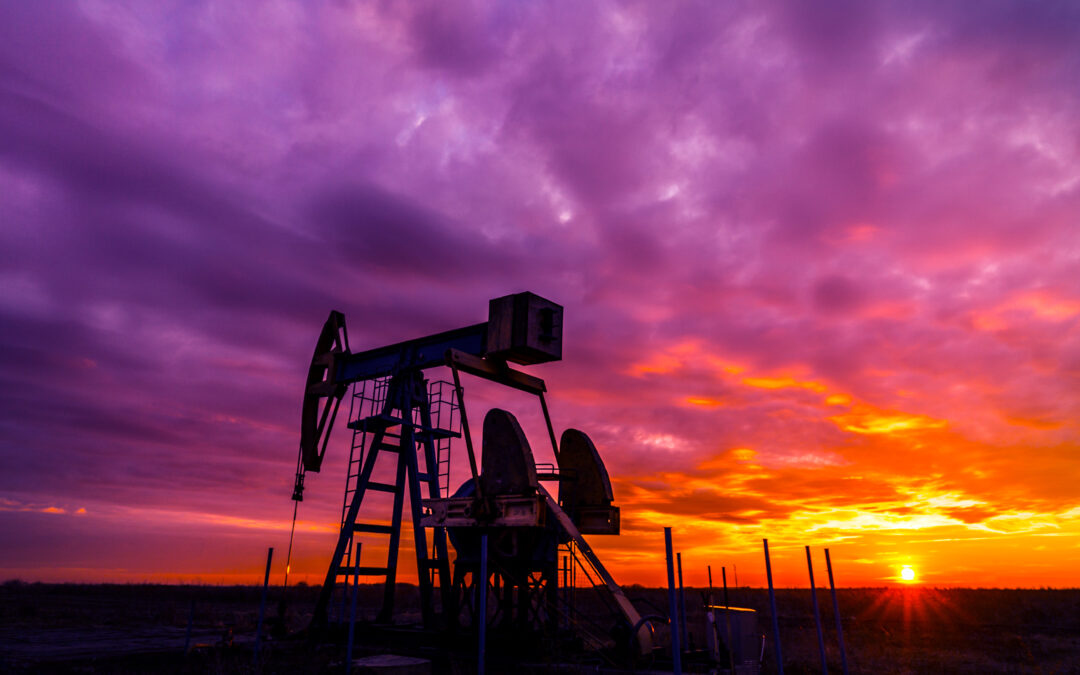
One of the first moves President Trump made in his second term was to declare a “National Energy Emergency.” This executive order leans heavily on the claim that the previous administration shut down U.S. fossil fuel production and left America dependent on foreign energy. But that narrative simply isn’t true. In reality, over the past four years, U.S. crude oil production soared to a record-breaking 13 million barrels per day — the highest ever, surpassing even Saudi Arabia. Natural gas production is also at an all-time high, with the U.S. leading the world by producing 41.2 million cubic feet in 2023 alone. So why declare an energy emergency when the country is producing more energy than ever? This move takes us into a confusing and dangerous place where “up” is “down” and “shortage” means “abundance.” The consequences of this declaration are unfolding quickly. The Department of Interior has announced new permitting rules that aim to sidestep key environmental protections, like the Endangered Species Act and the National Environmental Policy Act. Public lands—places many Americans treasure for outdoor activities like hunting, fishing, and hiking—are suddenly up for grabs for more oil and gas drilling. Beyond public lands, this order could even threaten private property rights by encouraging federal agencies to use eminent domain to force landowners to give up property for energy development. At a time when U.S. oil production is at historic highs and oil companies are already profiting handsomely, this raises serious concerns about fairness and property rights. But the bigger issue is this: Energy markets don’t respond to political orders. They respond to geology and economics. U.S....
How Reducing Methane Emissions is Fueling Jobs and Innovation At Conservatives for Responsible Stewardship (CRS), we are firm believers in the old adage: waste not, want not. To that end, we have been advocating for standards that reduce the amount of natural gas (methane) we lose through leaks, shoddy maintenance, unnecessary flaring, etc. And as we work to reduce methane waste and pollution, we are witnessing just how conservation and economic prosperity go hand in hand. Not only does this work conserve a valuable energy resource, but it is spurring job growth and economic opportunity. A new analysis by Datu Research shows just how a costly waste problem has spawned a growing industry that is creating jobs, strengthening local economies, and reducing natural gas waste. This ensures that our energy production is cleaner and more efficient. A Booming Industry The methane mitigation industry is rapidly expanding, creating high-quality jobs and driving innovation in emissions-reducing technology. This growth isn’t accidental—it’s fueled by smart policies that provide regulatory certainty, allowing businesses to develop cost-effective solutions. States like Texas, California, and Colorado are leading the way, demonstrating that environmental responsibility and economic opportunity go hand in hand. Datu Research’s latest findings highlight the rapid expansion of methane mitigation: • The number of methane mitigation firms has jumped 23.7% since 2021, reaching 268 companies. • Employee locations have grown by 39%, totaling 1,040 nationwide. • Texas is the industry’s epicenter, home to 291 company locations—28% of the national total. • California and Colorado remain at the forefront of innovation, with 87 and 74 locations, respectively. • Leak detection and measurement technology leads the...
Have you ever stopped to think about how much we owe to the tiny creatures flying around our gardens? Bees, butterflies, bats and birds are unsung heroes of our ecosystems, playing a vital role in pollination. This process is essential for producing the fruits, vegetables, and nuts we love. Understanding why pollinators are essential and discovering ways to protect them can help us do our part to ensure a healthier planet. Why Pollinators Matter Pollinators are like nature's matchmakers, helping plants reproduce by transferring pollen from one flower to another. This might sound simple, but it's a big deal! Over 75% of the world's flowering plants and about one-third of our food supply depend on pollinators. Imagine a world without apples, almonds, blueberries, or cucumbers—that's what we're facing if we don't protect these little helpers. And the damage to our agriculture industry and our economy as a whole would be enormous. Why Pollinators are in Trouble Sadly, our pollinator populations are declining at a rapid rate. The American Bumblebee, for example, has vanished from eight states and is in serious decline elsewhere. The Monarch Butterfly population has declined almost 60%, and the list goes on. The threats facing pollinators include: Habitat Loss: Urban sprawl, agriculture, and deforestation are shrinking the natural homes of pollinators. Pesticides: These chemicals, which are used widely in agriculture, by pest control companies, and by homeowners, are deadly to pollinators—especially if applied around flowering plants—either killing them outright or harming their ability to forage and reproduce. Climate Change: Shifting temperatures and weather patterns disrupt the delicate balance of pollinators' life cycles and the plants they...