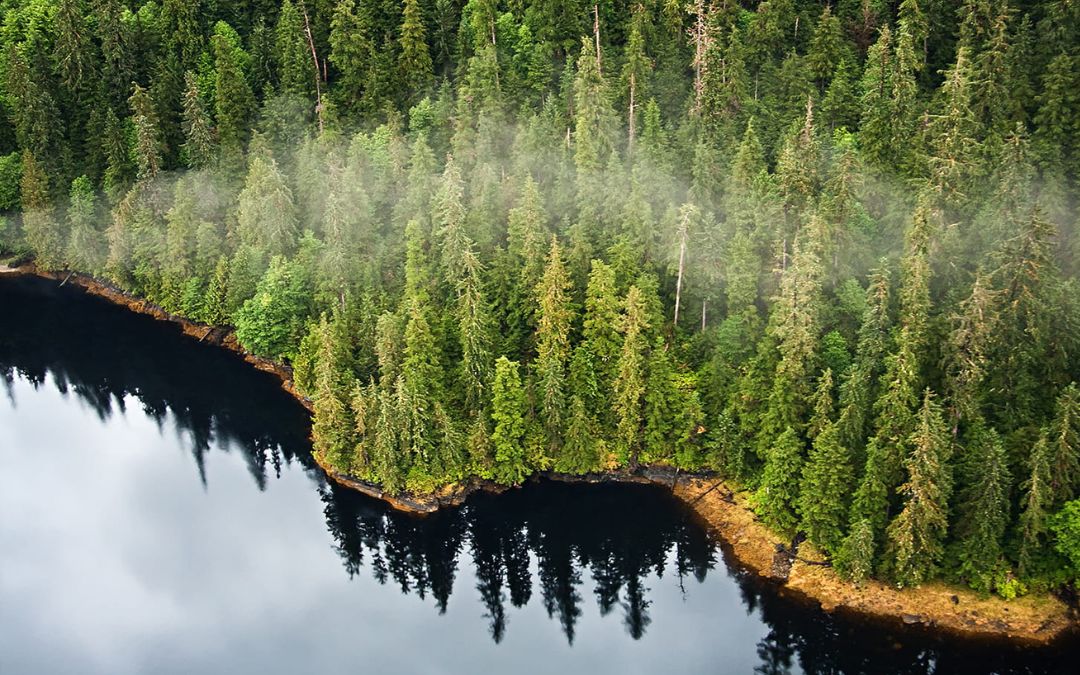
The Trump administration is moving ahead with plans to rescind a quarter-century-old rule that blocked logging and other development on national forest lands, drawing the ire of environmentalists nationwide By Associated Press ALBUQUERQUE, N.M. (AP) — The Trump administration announced Tuesday it is moving ahead with plans to rescind a quarter-century-old rule that blocked logging, road building and other development on national forest lands, drawing the ire of environmentalists nationwide. The U.S. Forest Service is filing a proposal that would scrap the so called roadless rule adopted in the last days of Bill Clinton’s presidency in 2001. The agency described the rule as a one-size-fits-all restriction that has frustrated land managers and served as a barrier to reducing wildfire risks in the nation’s forests. “Our forests can’t afford another decade of inaction. Across the country, we’ve watched preventable conditions — overgrown stands, insect outbreaks and disease — turn healthy landscapes into tinderboxes,” U.S. Agriculture Secretary Brooke Rollins said in a statement. Read the rest of the...
Agriculture Secretary Brooke Rollins just announced that the U.S. Forest Service has filed a proposed rule to “rescind in its entirety” the national 2001 Roadless Area Conversation Rule. CRS President David Jenkins criticized the move, saying: “This is one of the most boneheaded and fiscally irresponsible actions this administration could take. The agency doesn’t have the budget to take care of the 368,000 miles of roads already riddling our national forests. In fact, there is currently a $10.8 billion maintenance backlog.” Jenkins also challenged Rollin’s claim that the Roadless Rule “exacerbates” wildfire risks, adding: “The truth is that roadless forests are our greatest defense against wildfire. Not only are old growth forests naturally resistant to fire, but 90% of all wildfires in the U.S. occur within a half mile of a road. Any claims to the contrary are demonstrably false.“ “We need to call this out for what it is, one giant taxpayer funded subsidy for commercial logging operations that are otherwise uneconomical. This will only worsen our national debt and end up fleecing American taxpayers out the wazoo.” Jenkins said. “It is swamp politics at its very worse.” Speaking about America’s great forests and mountains, Ronald Reagan once said, “This is our patrimony. This is what we leave to our children. And our great moral responsibility is to leave it to them either as we found it or better than we found it.” Reagan understood that the responsible stewardship of our natural wealth and fiscal health were core tenets of conservatism. Secretary Rollins would do well to remember that and abandon her ill-conceived effort to roll back the...
If you’re a homeowner, drive a car, eat food, or basically just exist, there’s no escaping the worsening trend of sky-high energy prices in the U.S. If you live in Florida, the problem is more acute and especially during the warmer months when air conditioner use is much higher than the national average. A recent interview with public radio station WFSU in Tallahassee provided a perfect venue for CRS President David Jenkins to explain the ins and outs of energy production in Florida and how the unchecked monopoly power of utilities aren’t serving the interests of electricity consumers in the state. Listen to the...
By Joshua Spodek Most environmentalists that I know of consider themselves progressive or liberal. They propose solutions that increase regulation and grow government, often in the style of the New Deal. Their role models are generally also progressive and liberal. They present conservatives as opponents, even enemies, sometimes evil. They consider them interested in themselves and profit, not caring who suffers for it. Over and over, they say about conservatives, “They don’t care.” Meanwhile, they pollute as much as anyone. They fund future extraction, companies that extract and pollute, their politicians, and lobbyists promoting more. I don’t think they actually talk to conservatives. They project their preconceptions onto them and treat them as straw men. David Jenkins helps lead a conservative group that promotes stewardship. I suspect many environmentalists would consider the combination impossible, wondering if it’s a front group. What do you expect? Could conservative values promote decreasing pollution, depletion, plunder, and misappropriating nature? Listen to the...
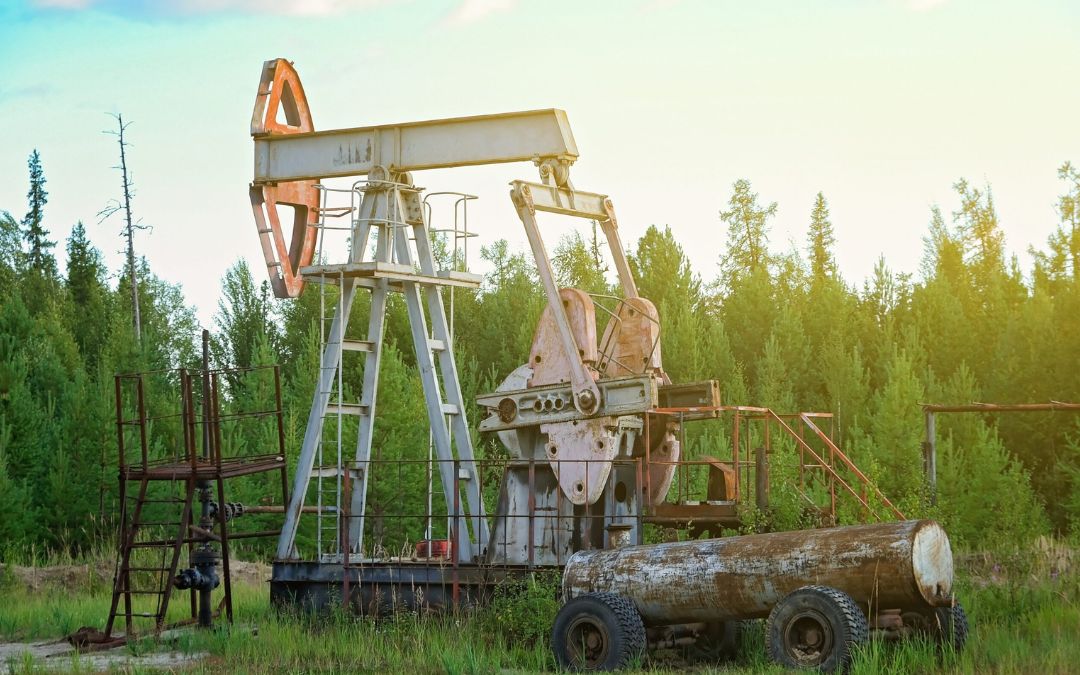
Policy Reversal Could Lead to Taxpayers Being on the Hook for $753 Billion In 2024, the Bureau of Land Management (BLM) updated its oil and gas bonding requirements to more closely reflect the actual plugging and clean-up costs for orphaned wells, thus protecting taxpayers from industry bad actors who skip out on their promise to plug and clean-up their wells once done producing. The Trump Administration just announced that it is rolling back those reforms, thus putting the cost of dealing with orphaned wells back on American taxpayers. “Protecting taxpayers is the sole purpose of the 2024 bonding reforms. By rolling them back, this administration is siding with industry cheats and scammers over hard-working American taxpayers,” said David Jenkins, President of Conservatives for Responsible Stewardship. Jenkins continued: “One has to ask, why? Why allow the oil and gas industry’s worst actors to syphon out all the profit from a public resource while offloading the cost of doing business onto you and me. It’s a binary choice, and the Trump administration is choosing corporate cheats over honest taxpayers.” “Given the unprecedented drilling mandates enacted by Congress last year, this move presents a fiscal nightmare, leaving taxpayers and the U.S. Treasury holding the bag for up to $753 billion in potential plugging and clean-up costs.” “There is nothing remotely conservative about subsidizing dishonesty and failure within the oil and gas industry, worsening the national debt, and saddling the American taxpayer with up to a trillion dollars in clean-up cost. This is swamp politics at its worst,” Jenkins said. Currently, more than 130,000 abandoned oil and gas wells litter our public lands,...
KJZZ | By Mark Brodie The federal Environmental Protection Agency this month submitted a handful of air pollution waivers from California to Congress, according to Politico; the body can vote to nullify them under the Congressional Review Act. If that happens, it’ll mean carmakers wouldn’t be subject to those rules from California; other states, including New York, also generally follow California’s standards. The Trump administration has moved to scale back some environmental regulations nationwide. In Arizona, the Republican-controlled Corporation Commission this spring repealed the state’s renewable energy standard. But David Jenkins said the GOP should pay more attention to the natural environment. Jenkins is president of the group Conservatives for Responsible Stewardship. The Show spoke with him earlier, and asked what to him are the biggest environmental issues that conservatives should be talking about, but aren’t. Listen to the radio story at...